
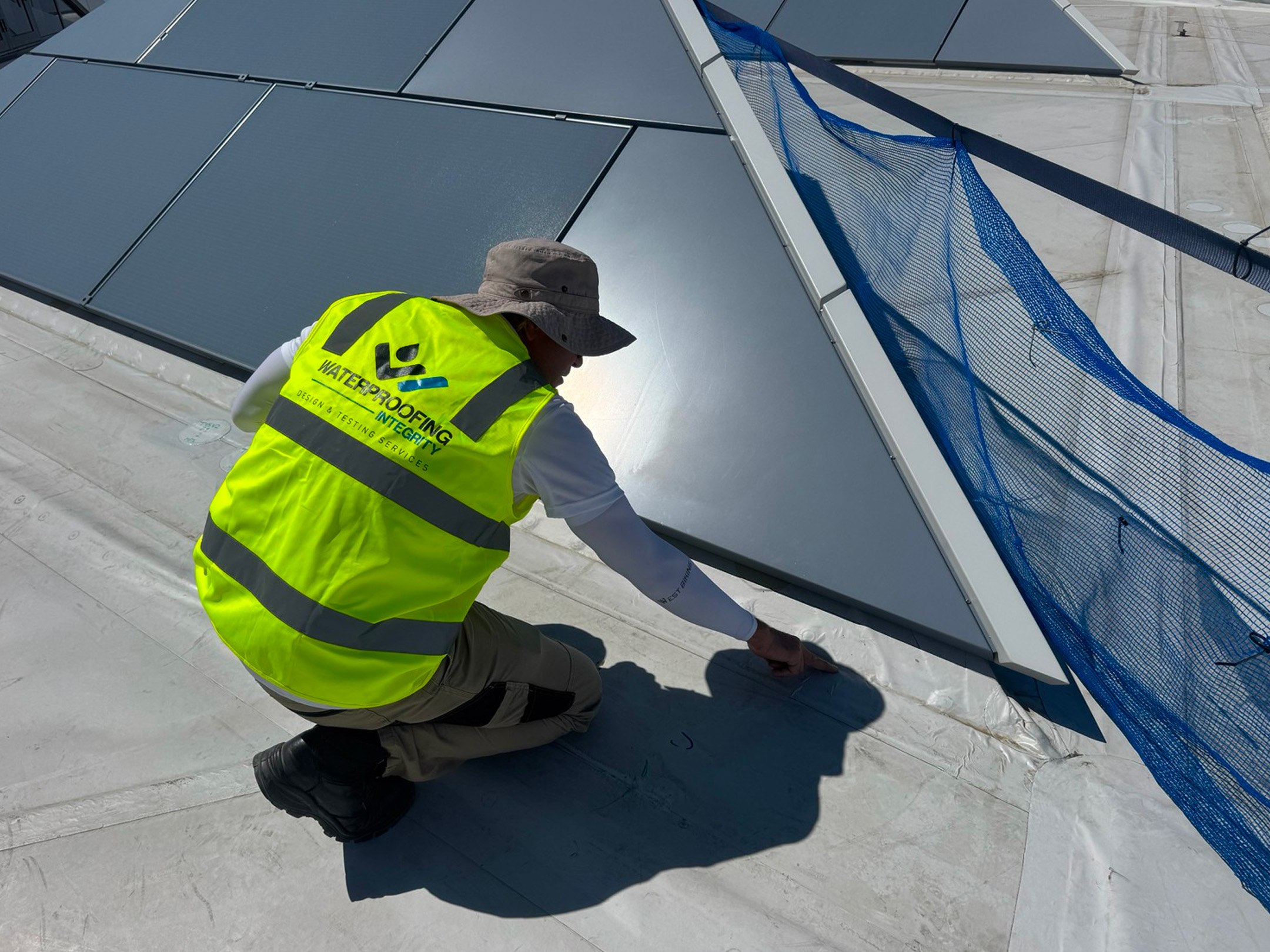
The value of a waterproofing inspection is not the number of photographs. It is what the project can decide after reading the report.
An inspection before membrane installation should answer a different question from one at handover or after a leak. Scope, timing and evidence need to match that decision.
Short answer: A waterproofing inspection can include document review, substrate and detail checks, observation of installation, testing, defect recording, photographs, marked locations, acceptance criteria, repair recommendations and retest close-out. The exact scope depends on the project stage, system, access and risk. Inspection and testing are related, but they are not the same service.
What does a waterproofing inspection include?
A useful inspection starts before the site visit.
Documents
The consultant may review:
- waterproofing drawings and details;
- specification and product system;
- relevant Australian Standards and NCC provisions;
- Inspection and Test Plan;
- design declarations or compliance documents where applicable;
- manufacturer installation and warranty requirements;
- previous inspection, test and non-conformance reports; and
- defect or leak history.
The documents establish the criteria. Without them, the inspector may only be able to report observations against general good practice or a limited nominated scope.
Site condition
Depending on the stage, the inspection can examine:
- substrate moisture, profile, falls and readiness;
- cracks, joints and penetrations;
- primers and preparation;
- membrane continuity, thickness and coverage;
- bond, laps and seams;
- drains, overflow paths and puddle flanges;
- upturns, terminations and thresholds;
- transitions between systems and trades;
- protection before covering; and
- completed finishes or evidence of water ingress.
The inspection should identify what was visible and what was concealed.
Evidence and action
The output can include photographs, marked-up plans, defect schedules, test results, limitations, required repairs and a clear status for each item.
The most useful line in a report is often not “non-compliant”. It is “repair this detail, provide this evidence and book a retest before covering”.
Inspection versus testing
Inspection uses visual observation, document review, measurements and technical judgement to assess the work.
Testing applies a defined method to produce a result about a particular property or condition.
Examples include:
- Surface Fall Gradient Testing for drainage geometry;
- in-situ relative humidity testing to ASTM F2170;
- pull-off adhesion testing;
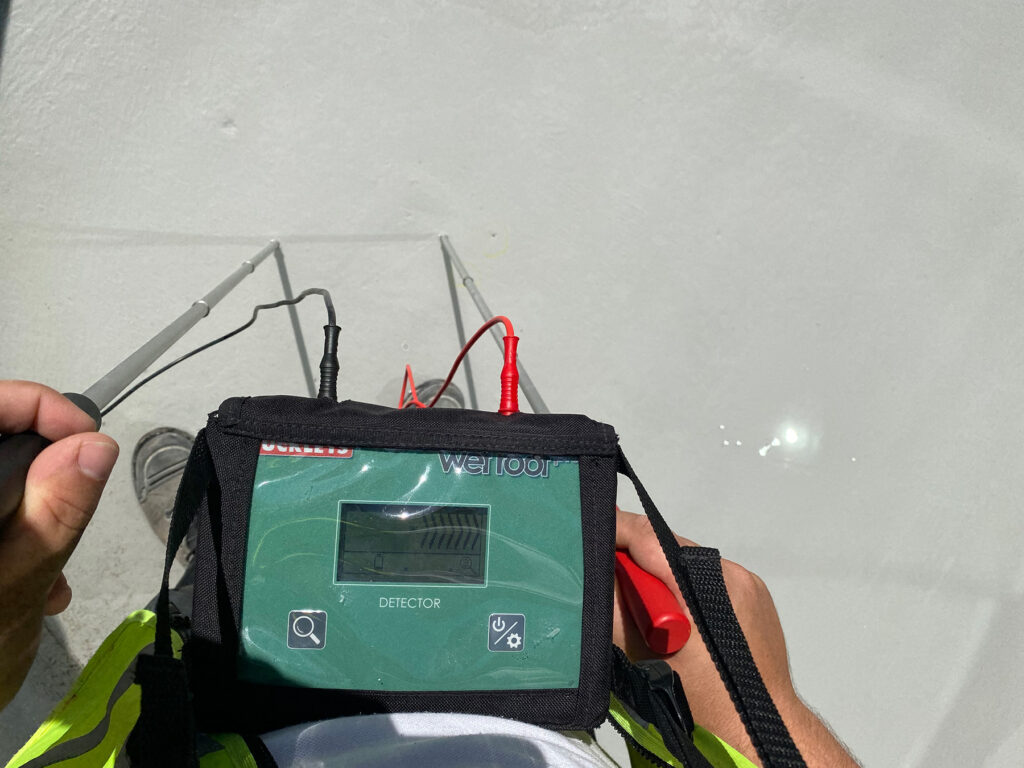
- dry Electronic Leak Detection;
- controlled flood testing;
- slip resistance testing; and
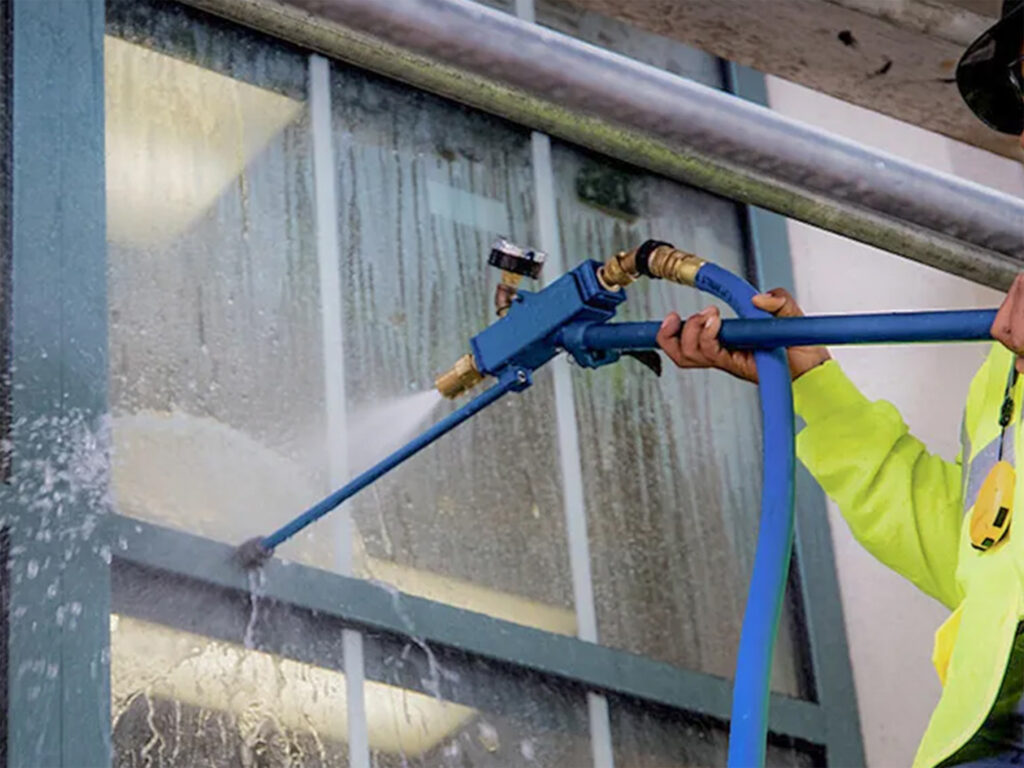
- AAMA 501.2 facade spray checks.
A visual inspection can find missing reinforcement at a corner or a poorly formed termination. ELD can locate a discontinuity the eye cannot see. Adhesion testing can assess bond at a sampled point.
The best scope often combines inspection and selected tests.
When are inspections needed?
Design stage
Independent review can identify unresolved falls, drainage, movement, interfaces and termination details before they become site problems.
Before membrane installation
This is the substrate-readiness hold point. The team checks moisture, RH, profile, strength, falls, joints, cracks and preparation while correction remains straightforward.
During installation
Staged inspections can review details that will be concealed by the next layer. Frequency should match the area, programme, installer sequence and consequence of missing a hold point.
Before covering
Membrane integrity, adhesion, thickness, seams and repairs can be checked while the system is accessible.
Handover
The inspection and report pack should show what was reviewed, what failed, what was repaired and what evidence closed each item.
Existing leak or defect
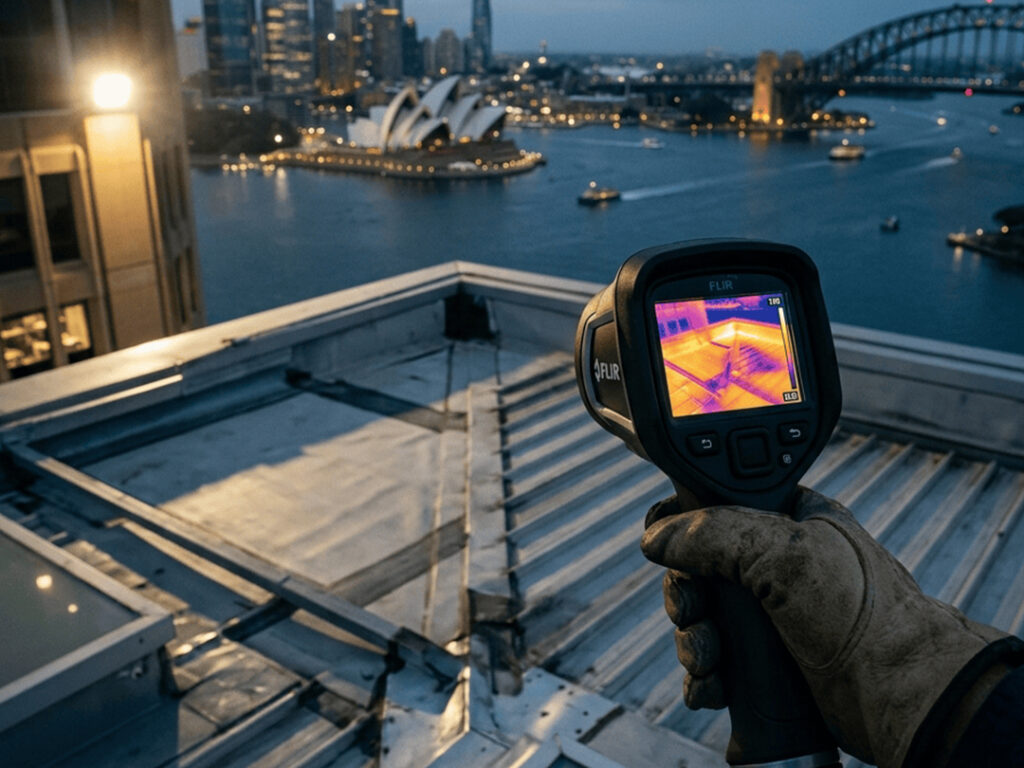
The scope changes from QA to diagnosis. Leak history, moisture mapping, thermal imaging, tracer gas, ELD, facade water testing and targeted opening-up may form the sequence.
Is waterproofing inspection required by law in Australia?
There is no single rule that makes the same independent waterproofing inspection mandatory on every Australian building.
The National Construction Code sets Performance Requirements and Deemed-to-Satisfy pathways. State and territory legislation controls approvals, practitioner obligations, inspections, certification and enforcement. Contracts, specifications, ITPs, warranties and insurer requirements can impose additional inspection or testing duties.
Requirements also change with building classification, jurisdiction, project value, work type and the compliance pathway used.
For example, regulated design and declaration obligations on some NSW Class 2 work are different from the process for a small residential renovation in another state.
Do not use a general blog answer as legal or certification advice. Confirm the current requirement with the relevant certifier, building surveyor, design practitioner or regulator for the project.
Even where an independent inspection is not expressly mandatory, the project still needs evidence that the waterproofing work meets its applicable obligations.
How long does a waterproofing inspection take?
There is no reliable fixed duration.
A small, accessible and clearly defined hold point may need only one site attendance. A multi-level podium, facade investigation or dispute can require document review, several visits, controlled testing, repair observation and retesting.
Time is affected by:
- area and number of locations;
- project stage and visibility;
- test method and conditioning time;
- access, inductions and permits;
- membrane and substrate type;
- number of details, defects and photographs;
- weather and water-test duration;
- occupied-area controls;
- reporting complexity; and
- whether repair and retest are included.
Ask for two dates: the site-attendance window and the report-delivery date. They are not the same thing.
The inspection should also be booked against the programme hold point. A perfect report delivered after the membrane is covered has limited value.
What affects waterproofing inspection cost?
The fee should reflect the work needed to answer the project question.
Cost drivers include:
- document-review time;
- travel and site access;
- inspection area and repetition;
- specialist equipment;
- destructive samples and repairs;
- water, power, scaffolding or elevated access;
- after-hours or occupied-space constraints;
- laboratory or NATA-endorsed reporting requirements;
- urgency;
- report detail; and
- retesting.
A low-cost visual walk-through and a method-specific testing plan are not comparable quotes.
Send the same scope information to each provider. Ask what is included, excluded and delivered. A quote should state the number of visits, test method, sample quantity, report type, travel, access assumptions and retest allowance.
What a good waterproofing report contains
Look for:
- project and inspection scope;
- documents and criteria reviewed;
- date, stage, weather and site conditions;
- areas inspected and areas inaccessible;
- system and substrate identification;
- observations tied to marked locations;
- photographs with useful captions;
- measurements and test methods;
- defects, risk and required action;
- limitations and concealed conditions;
- responsible close-out action; and
- repair and retest status.
The report should separate observation, test result and opinion. It should also avoid declaring uninspected work compliant.
Why use an independent waterproofing consultant?
Installers, suppliers, builders and designers each hold important information. They also have commercial positions in the work.
An independent consultant does not sell the membrane or install the system. That separation matters when an inspection may stop covering work, require repair or influence handover.
WI operates nationally from offices in Sydney, Newcastle, Melbourne and Brisbane. The team has completed more than 10,000 inspections across design, construction, handover and defect investigations.
Independence does not mean ignoring the installer or manufacturer. It means the evidence is assessed around the project requirement rather than a product or installation sale.
What to send for an accurate scope
Send:
- project address and building type;
- drawings, specification and ITP;
- waterproofing product and installer details;
- current stage and date the work will be covered;
- areas, levels and approximate dimensions;
- photographs and known defects;
- access, induction and permit requirements;
- test or NATA reporting requirement;
- required report format; and
- handover, warranty or dispute deadline.
If the problem is an active leak, add weather history, internal presentation points and all prior repairs.
The public sees the finished surface, not the inspection file
When waterproofing fails in an occupied building, the consequence can include wet finishes, mould risk, disrupted rooms, unsafe surfaces, facade deterioration and long-running repair work.
The inspection report matters because the public will never see the membrane once construction is finished.
Build the evidence while the work is visible.
Frequently asked questions
What does a waterproofing inspector check?
The scope can cover documents, substrate readiness, falls, drains, joints, penetrations, membrane installation, details, protection, testing, defects and repair close-out.
How much does a waterproofing inspection cost in Australia?
There is no reliable flat fee. Area, location, project stage, access, test method, reporting, urgency and retesting determine the cost. A written scope is needed for a comparable quote.
How long does an inspection take?
A small defined hold point may require one attendance. Larger projects and defect investigations can require staged visits, testing, repairs and retesting. Confirm attendance and report dates separately.
Do I need a waterproofing consultant in Sydney, Melbourne or Brisbane?
Use an independent consultant when the project needs technical judgement, staged QA, specialist testing, handover evidence or defect diagnosis beyond routine trade supervision. WI services Sydney, Newcastle, Melbourne, Brisbane and national projects.
Does an inspection guarantee the waterproofing?
No. An inspection reports the visible and tested condition within its scope and date. Concealed areas, future movement, maintenance and untested work remain subject to the stated limitations.
Sources
- National Construction Code, Australian Building Codes Board
- Building Commission NSW
- Waterproofing Integrity, Testing services
✉️ advice@waterproofingintegrity.com.au
🌐 waterproofingintegrity.com.au
📍 Our offices across Australia: Sydney | Newcastle | Melbourne | Brisbane
Comments (0)