
NCC 2025 WATERPROOFING
NCC 2025 Changes the Way Waterproofing Is Designed.
NCC 2025 introduces important changes affecting waterproofing design, structural falls, substrates, joints and water management. Understanding these requirements early can help project teams identify conflicts before they become construction issues.
What can Waterproofing Integrity tell you about the implications for waterproofing under NCC 2025?
As indicated on the Australian Building Codes Board website to announce the Final Draft, Water management under Volume One Section F (Health and amenity) is the headline item. With these changes, the primary considerations are around the clauses of Section F which impact how water is prevented from entering a building or is managed when reaching a building. The sources includes both rain and groundwater with implications on basements and external waterproofed areas. As was the case under NCC 2022, the clauses of the NCC override the waterproofing Standards of AS37430 and AS4654.2
Waterproofing doesn't exist in isolation.
Decisions made across multiple disciplines can directly influence waterproofing performance and compliance.
Structure
Falls, slabs, set-downs and hobs.
Hydraulics
Drainage and water management.
Façades
Interfaces, thresholds and penetrations.
Waterproofing
Membranes, substrates and detailing.
Finishes
Build-ups and finished surface levels.
Six NCC 2025 waterproofing considerations.
Project teams should consider how these requirements interact with design, documentation and construction.
Expanded Application
Understand where waterproofing provisions apply across relevant building classifications and how this affects project scope.
Falls Start With Structure
Falls may need to be established within the structural substrate rather than relying on subsequent finishes.
Levels Need Earlier Coordination
Set-downs, hobs and thresholds need to be considered alongside waterproofing, structure and finished levels.
Movement Needs to Be Designed
The location and treatment of joints can directly influence waterproofing continuity and performance.
The Membrane Is Only Part of the System
Substrate design and readiness can determine whether the waterproofing system can perform as intended.
Where Does the Water Go?
Finished surfaces, drainage and waterproofing need to work together as one coordinated water-management strategy.
Different project stages create different NCC 2025 challenges.
Coordinate Early.
Consider NCC 2025 requirements before documentation and structural decisions become fixed.
- Structural falls
- Drainage
- Set-downs and levels
- Substrates
- Façade interfaces
Review Before Construction.
Existing designs may need to be considered against applicable NCC requirements and transitional arrangements.
- Which NCC applies?
- Are falls appropriate?
- Are set-downs sufficient?
- Are substrates suitable?
- Are interfaces coordinated?
Verify the Outcome.
Compliance in documentation does not automatically establish the waterproofing outcome on site.
- Substrate readiness
- Installation inspections
- Critical detailing
- Testing
- Evidence and reporting
Your project is already designed. What happens now?
Applicable requirements can depend on jurisdiction, approval pathway, project timing and the specific building work.
When Deemed-to-Satisfy doesn't fit the project.
Existing constraints, architectural requirements, structural conditions or complex interfaces may require an alternative approach.
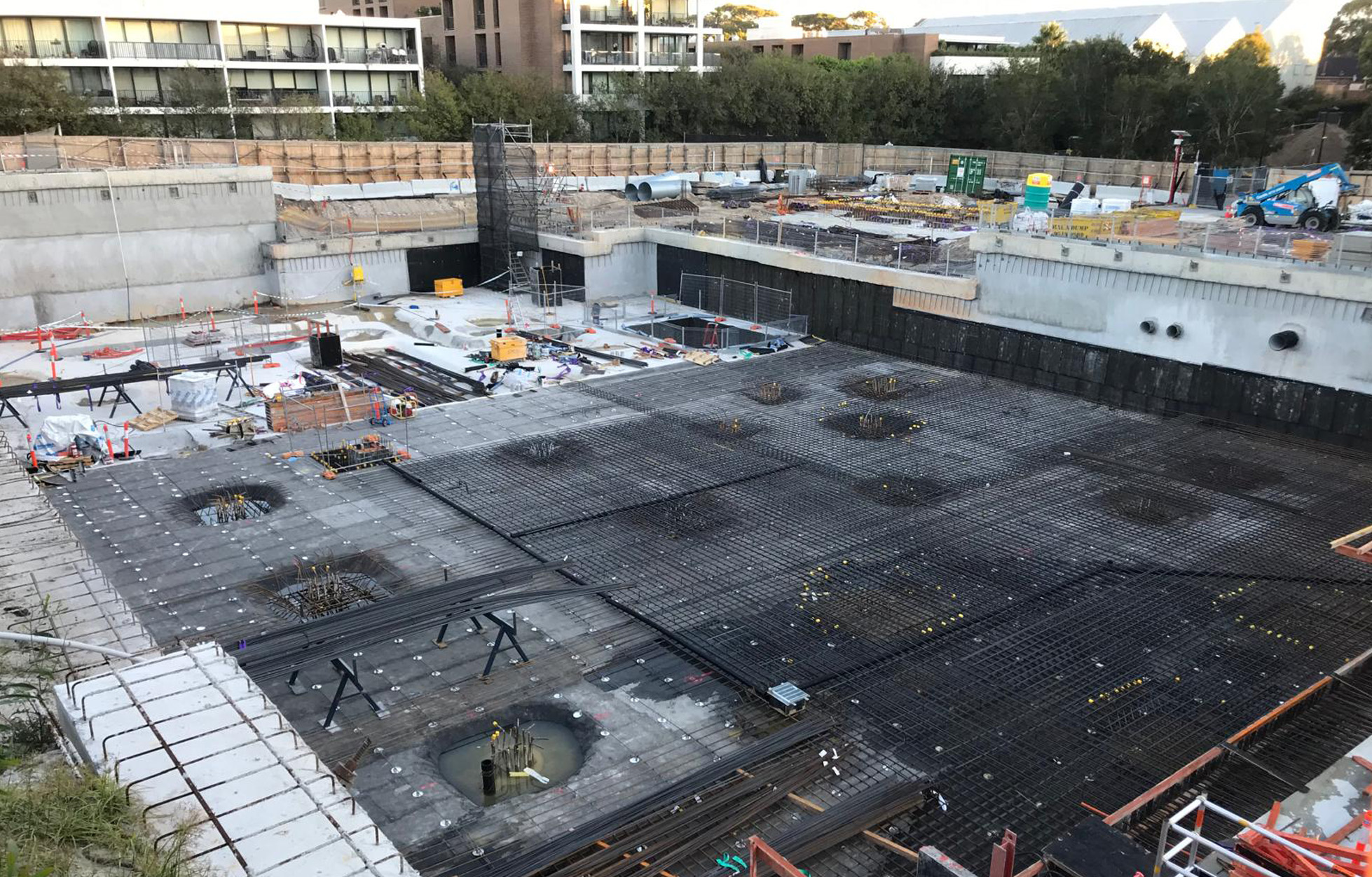
NCC 2025 & Below-Ground Waterproofing
Below-ground waterproofing requires the building structure, groundwater conditions, joints, drainage and waterproofing strategy to be considered as an integrated system.
NCC compliance starts at design.
Confidence comes from verification.
DESIGN
Independent waterproofing advice, design review, specifications and detailing.
INSPECT
Independent inspections at critical stages before waterproofing becomes concealed.
TEST
NATA-accredited testing and appropriate verification methods to establish evidence.
REMEDIATE
Independent investigation and advice where water ingress or defects are identified.
Independent advice changes the conversation.
Waterproofing Integrity provides independent technical advice. We don't install membranes and our advice isn't driven by selling a waterproofing product.
Independent. Evidence-Based. Defensible.
When does NCC 2025 apply in your state?
NCC 2025 was published nationally on 1 May 2026, but each state and territory determines when and how it takes effect.
Adoption dates, transition periods and jurisdictional variations can affect which requirements apply to your project.
Victoria
Victoria adopted NCC 2025 on 1 May 2026. Transitional arrangements may apply depending on when project design or construction commenced.
New South Wales
NCC 2022 Amendment 2 remains the current edition in NSW while industry prepares for NCC 2025.
Queensland
NCC 2022 continues to apply to building and plumbing work in Queensland during the delayed commencement period.
Australian Capital Territory
During the transition period, eligible projects may use NCC 2022 or NCC 2025. The nominated edition must be applied consistently.
South Australia
NCC 2022 Amendment 2 remains the Building Code until 30 April 2027. The NCC 2025 Plumbing Code commenced earlier on 1 May 2026.
Tasmania
NCC 2022 currently applies following legislative changes in June 2026. NCC 2025 is scheduled to apply again from May 2027.
Western Australia
Western Australia gives effect to NCC requirements through state legislation, including WA-specific variations and transitional arrangements.
Northern Territory
NCC 2025 did not commence in the Northern Territory on 1 May 2026. NCC 2022 and existing Territory variations remain applicable.
How do I find out more?
To discuss with our team how the above applies to your current or future projects and what we can do to assist, please reach out on 1300 025 944 or advice@waterproofingintegrity.com.au
With resources in Sydney, Melbourne, Brisbane and Newcastle we can facilitate online and onsite consultation.