
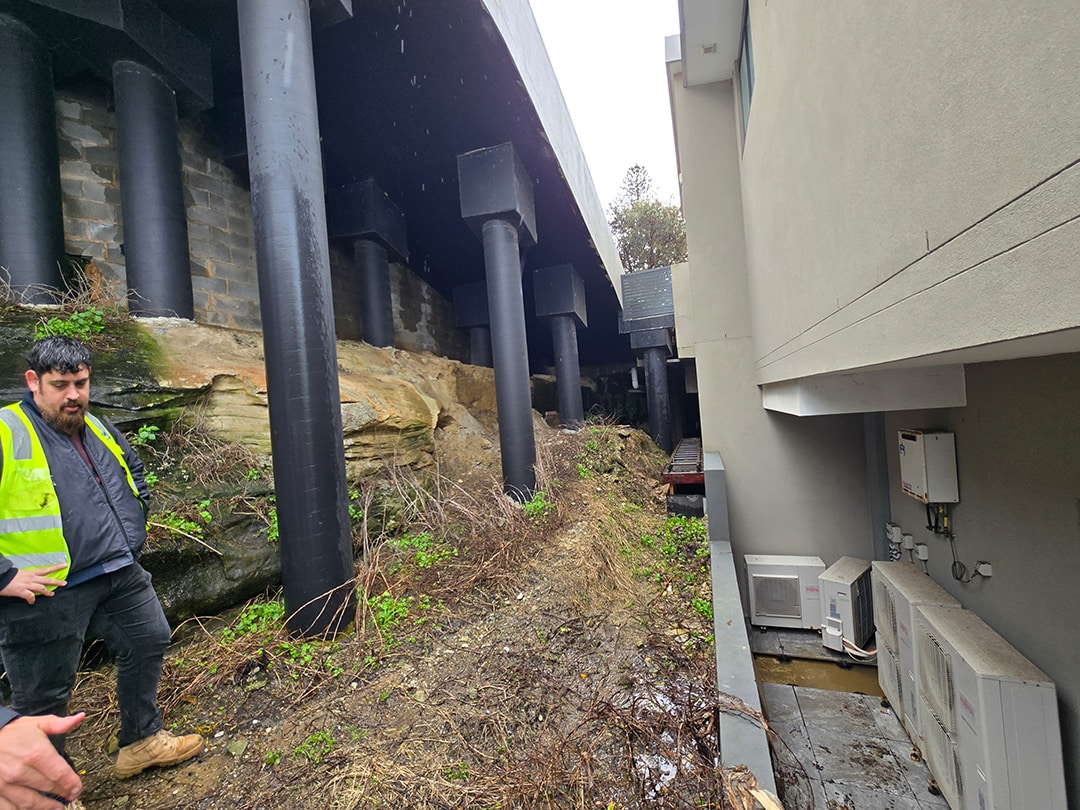
When waterproofing becomes an insurance issue, evidence matters.
Water ingress can begin as a maintenance problem and become much more complicated when insurance, liability or building defect issues are involved.
In those situations, photographs of a leak may not be enough.
The important question becomes:
What evidence establishes the nature, extent and likely cause of the defect?
Why documentation matters
A strong technical record can help establish:
• what was observed
• when it was observed
• where it occurred
• what investigation was undertaken
• what testing was performed
• what the results showed
• what conclusions were reached
• what limitations appliedThis creates a clearer evidence trail.
Observation is not the same as diagnosis
Consider three statements:
“There is water staining.”
This is an observation.
“Waterproofing has failed.”
This is a conclusion.
“The investigation identified evidence consistent with water ingress at the identified waterproofing interface.”
This connects the conclusion to an investigation.
The distinction matters when technical information is being reviewed by insurers, lawyers, owners corporations or other professionals.
What should a waterproofing investigation document?
Documentation may include:
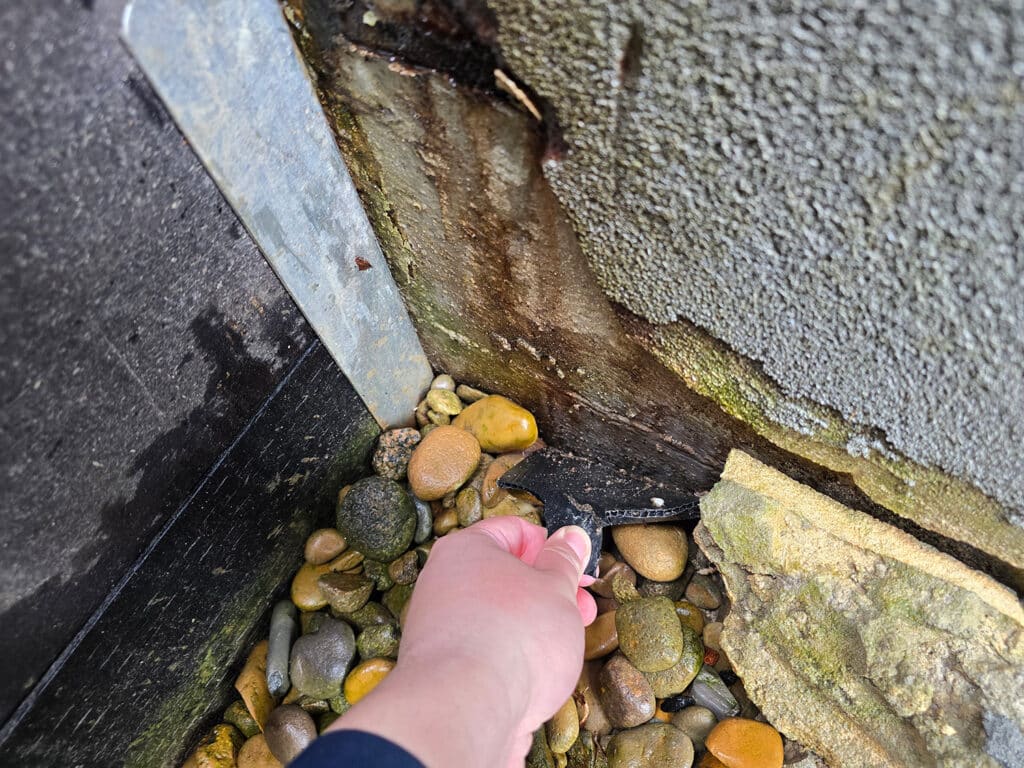
Site observations: What was visible at the time of inspection?
Photographs: Where were the defects located?
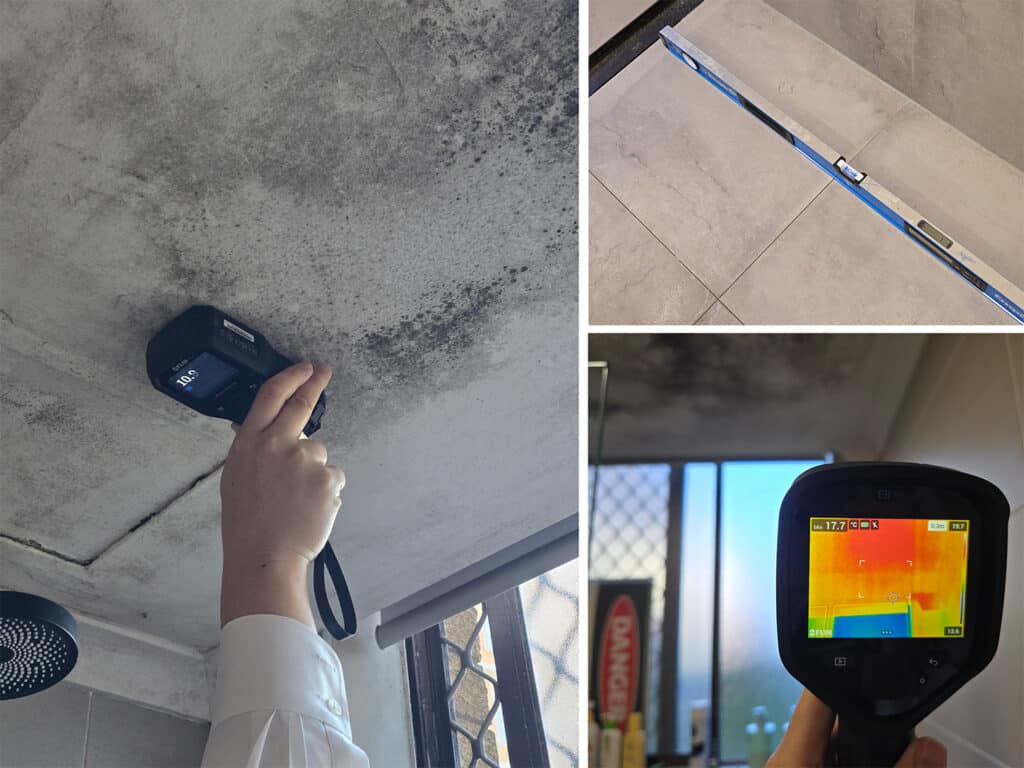
Testing: What tests were undertaken and why?
Results: What did the testing establish?
Investigation limitations: What could and could not be established?
Technical conclusions: What does the evidence support?
Recommendations: What further investigation or remediation is required?
Insurance and serious building defects
The 2025 NSW Strata Defects Research also examined insurance impacts among buildings with serious defects.
The report found that insurance impacts were reported by a substantial proportion of buildings with serious defects.
This reinforces the importance of treating technical documentation as part of the defect-management process, rather than something prepared only after a dispute arises.
Build the evidence before the dispute
A useful principle is:
Document early. Investigate properly. Preserve the evidence.
Do not wait until a dispute or insurance claim to reconstruct what happened.
Good technical documentation does not determine an insurance outcome.
It provides a factual record that allows the relevant parties to assess the building condition and the available evidence.
When the stakes increase, the quality of the evidence matters.
✉️ advice@waterproofingintegrity.com.au
🌐 waterproofingintegrity.com.au
📍 Our offices across Australia: Sydney | Newcastle | Melbourne | Brisbane
How We’re Different From a Waterproofing Contractor
| Waterproofing Integrity | Waterproofing Contractor | |
|---|---|---|
| Diagnoses the cause | Independent testing before any recommendation | Often assumes, based on the job being priced |
| Recommends the fix | Specifies what’s correct, regardless of who installs it | Recommends what they install |
| Financial interest in the outcome | Advisory fee only | Paid to perform the work |
| Verifies the finished work | Independently tests and reports on the completed work | Self-verifies their own work |

Comments (0)