

Your building doesn’t go on holiday. Water ingress doesn’t either.
As the Christmas and New Year period approaches, many commercial buildings prepare for an extended shutdown, reduced occupancy or limited facilities management coverage.
While offices may empty, construction and maintenance activities slow down, and building management teams take a well-earned break, the risk of water ingress does not disappear.
In fact, the extended holiday period can create additional risks. Heavy rainfall, storms, blocked drainage systems, deteriorating waterproofing membranes and undetected plumbing leaks can all lead to significant building damage when there is nobody around to identify the early warning signs.
A minor leak that could have been addressed immediately may become a major water ingress incident by the time staff return in January.
For commercial building owners, strata managers and facilities managers, preparing for Christmas should involve more than locking the doors and setting the security alarm. It should also include a proactive review of the building’s waterproofing condition and potential water ingress risks.
Here is a practical commercial building water defects checklist to help identify potential problems before the holiday shutdown.
Why Water Ingress Risks Increase During the Christmas Shutdown
Commercial buildings can be particularly vulnerable during extended holiday closures for several reasons.
1. Reduced building occupancy
With fewer people in the building, early warning signs such as ceiling stains, damp smells, water pooling and minor leaks may go unnoticed.
2. Delayed maintenance response
Reduced staffing and contractor availability can delay the investigation and rectification of water ingress issues.
3. Exposure to summer storms and heavy rainfall
Australian summer weather can bring intense rainfall, thunderstorms and sudden downpours. Roofs, balconies, podiums and drainage systems must be capable of managing these conditions.
4. Existing defects can deteriorate
Waterproofing defects that have not been properly investigated may worsen over time, particularly where water continues to penetrate concealed building elements.
5. Damage can extend beyond the original leak
Uncontrolled water ingress can affect ceilings, internal finishes, electrical installations, structural elements, building services and tenant spaces.
The objective is not simply to prevent every possible leak. It is to identify known vulnerabilities, understand their severity and establish a response plan before the building becomes less actively monitored.
The Commercial Building Water Defects Checklist
Before closing your building for Christmas, consider reviewing the following areas.
1. Rooftops and Roof Terraces
What to check:
- Visible deterioration, cracking, blistering or debonding of waterproofing membranes.
- Ponding water or areas where water does not drain effectively.
- Blocked roof outlets, rainwater heads and drainage points.
- Deteriorated sealants around penetrations, flashings and service installations.
- Cracks or gaps around rooftop plant rooms and mechanical equipment.
- Signs of previous water ingress, including ceiling stains and damp patches on the floors below.
- Loose or deteriorated termination details around membrane upturns.
Why it matters:
Rooftops are directly exposed to weather conditions and are often the first line of defence against water ingress. Blocked drainage outlets or compromised waterproofing details can allow water to accumulate and penetrate the building envelope.
2. Balconies and External Terraces
What to check:
- Cracked, loose or deteriorated tiles and grout.
- Deteriorated perimeter sealants and movement joints.
- Visible ponding or inadequate drainage.
- Blocked balcony drainage outlets and overflow provisions.
- Cracking around balustrade fixings and penetrations.
- Signs of water staining on soffits or ceilings below balconies.
- Evidence of water entering through door thresholds and adjoining wall junctions.
Why it matters:
Balconies and terraces contain multiple junctions where waterproofing systems must integrate with doors, walls, balustrades and drainage points. A defect at one of these interfaces can allow water to enter concealed building elements.
3. Podium Decks and Common Area Slabs
What to check:
- Cracks or deterioration in exposed slab surfaces.
- Signs of water staining or efflorescence on soffits below.
- Blocked drainage outlets and surface water channels.
- Deteriorated movement joints and construction joints.
- Water pooling around landscaped areas and planter interfaces.
- Signs of moisture migration into car parks or lower-level spaces.
- Deteriorated waterproofing around penetrations and service installations.
Why it matters:
Podium decks often sit above car parks, commercial tenancies and other occupied spaces. Waterproofing defects can affect multiple building areas and create costly remediation requirements.
4. Planter Boxes and Landscaped Areas
What to check:
- Blocked drainage outlets and agricultural drainage systems.
- Signs of persistent waterlogging or excessive moisture.
- Cracking or deterioration around planter box walls.
- Deteriorated waterproofing at planter-to-slab junctions.
- Signs of water ingress into adjoining internal spaces.
- Overflow provisions and drainage pathways.
- Root intrusion or vegetation affecting waterproofing details.
Why it matters:
Planter boxes retain moisture and can expose waterproofing systems to prolonged water contact. Blocked drainage or deteriorated membranes may allow water to migrate into adjoining structures.
5. External Walls and Building Facades
What to check:
- Cracked or deteriorated facade sealants.
- Cracking around windows, doors and facade junctions.
- Deteriorated window perimeter seals.
- Blocked weep holes and drainage pathways.
- Signs of water staining, bubbling paint or internal wall dampness.
- Deteriorated flashing details around openings and penetrations.
- Evidence of previous water ingress following heavy rainfall.
Why it matters:
Water ingress does not always originate from the roof or ground. Facade defects, failed seals and poorly performing window interfaces can allow wind-driven rain to penetrate the building envelope.
6. Basements and Below-Ground Areas
What to check:
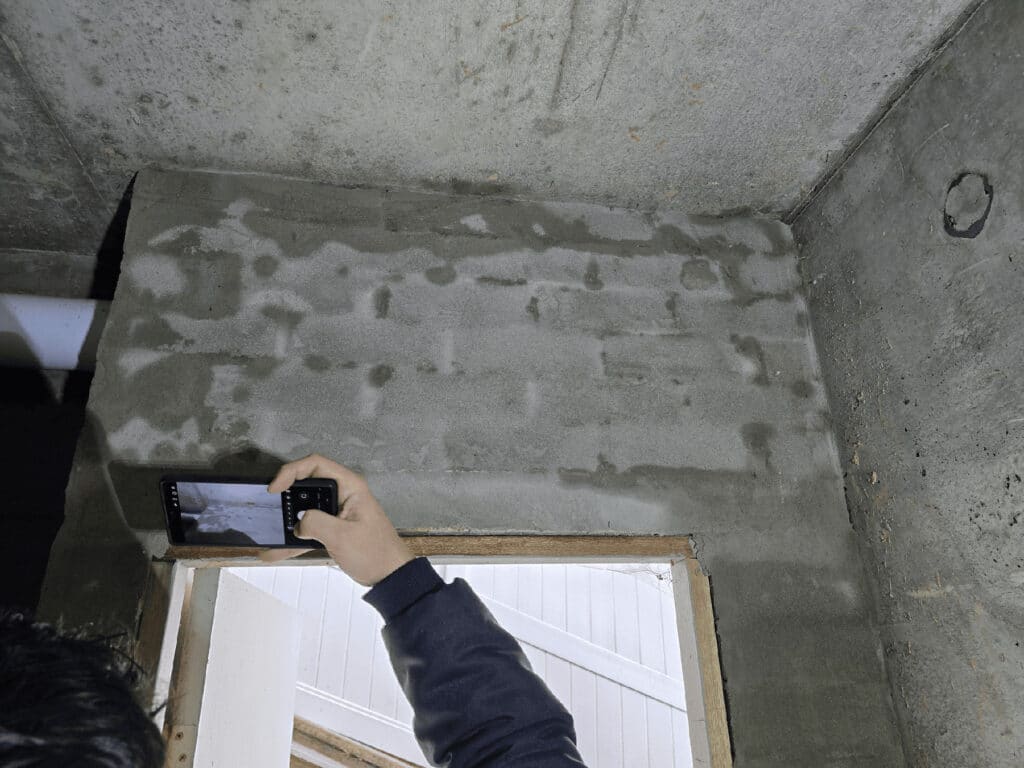
- Water seepage through basement walls and floor slabs.
- Damp patches, efflorescence or visible water staining.
- Water ingress around construction joints and service penetrations.
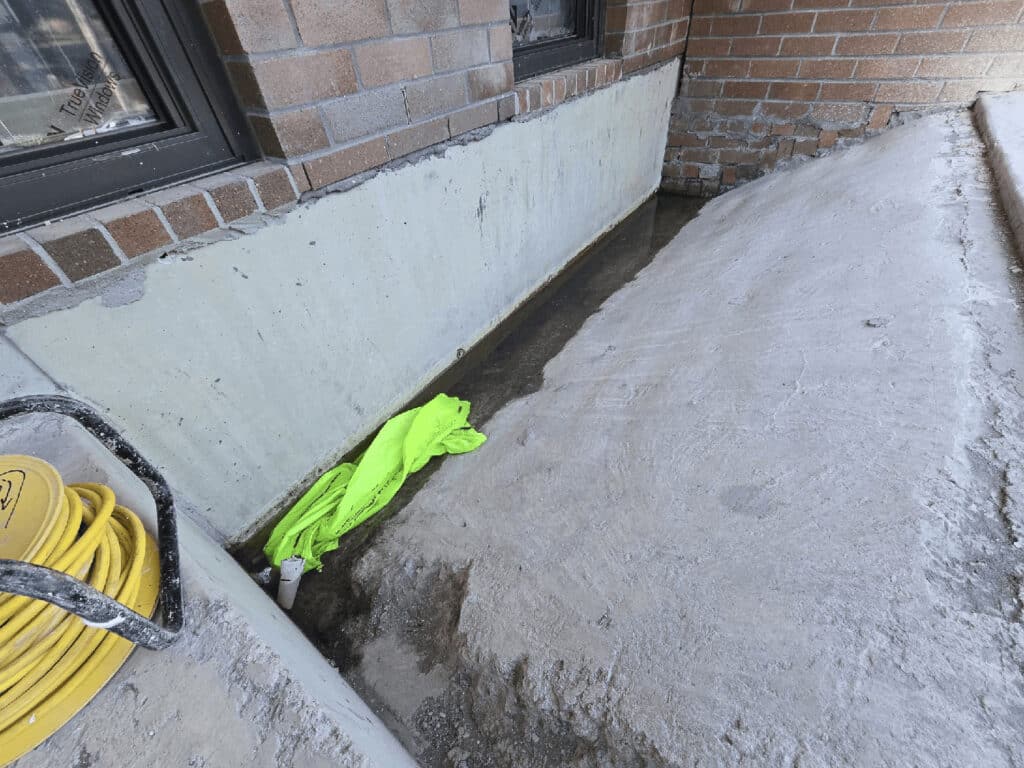
- Perimeter spoon drains
- Sump pumps and drainage equipment operating correctly.
- Signs of water pooling in plant rooms and storage areas.
- Evidence of previous leaks or recurring moisture problems.
Why it matters:
Below-ground structures are exposed to groundwater and surrounding soil moisture. Existing defects may become more apparent during periods of heavy rainfall or changes in groundwater conditions.
7. Internal Areas and Building Services
What to check:
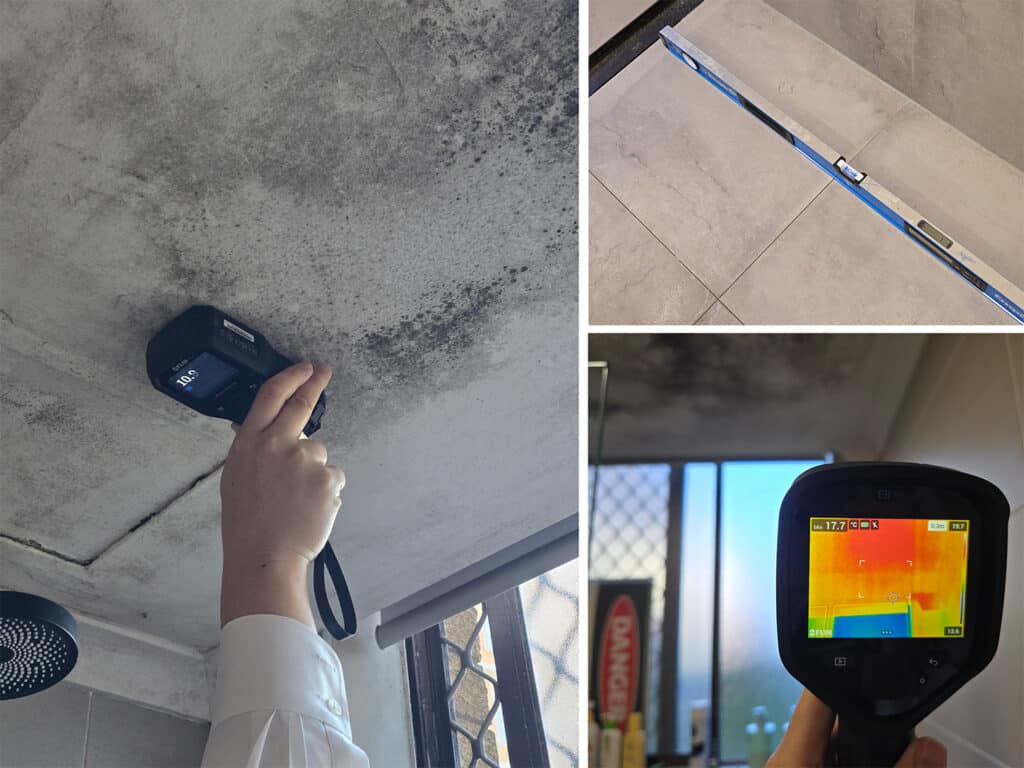
- Ceiling stains, bubbling paint or deteriorating plasterboard.
- Damp smells and visible mould growth.
- Water staining around air-conditioning systems and condensate drains.
- Leaks around plumbing connections and wet areas.
- Water pooling in plant rooms, risers and service cupboards.
- Signs of water entering electrical rooms or areas containing critical equipment.
- Previously reported leaks that have not been fully investigated.
Why it matters:
Internal water damage may be the first visible indication of a concealed waterproofing defect. The location of a stain or leak does not necessarily indicate where water is entering the building.
What to Do If You Identify a Water Defect
Identifying a potential defect is only the first step. The priority is understanding its source, severity and potential consequences.
Before the Christmas shutdown, building management teams should consider the following actions:
1. Document the defect
Take photographs, record the affected location and note when the issue was first identified. Maintain a record of previous incidents and any maintenance undertaken.
2. Assess the potential risk
Consider whether the defect is active, recurring or likely to deteriorate during heavy rainfall. Prioritise defects that could affect critical building infrastructure, occupied areas or multiple levels.
3. Investigate the source of water ingress
Avoid assuming that the visible water stain is directly below the source of the problem. Water can travel through concealed building elements before becoming visible internally.
4. Establish an appropriate response plan
Ensure building management, security personnel and emergency maintenance contacts understand the escalation process if water ingress occurs during the shutdown.
5. Arrange an independent assessment where required
Recurring or unexplained water ingress should be properly investigated. An independent waterproofing consultant can help identify the underlying defect, assess the condition of the waterproofing system and recommend an appropriate remediation pathway.
Don’t Confuse a Temporary Repair with a Permanent Solution
One of the common mistakes in managing building water ingress is treating the visible symptom rather than investigating the underlying cause.
Applying additional sealant, patching a membrane or repainting a water-damaged ceiling may temporarily improve the appearance of the affected area without resolving the original defect.
Without understanding how water is entering the building, remedial work may fail to address the actual problem.
An evidence-based investigation should establish:
- Where is the water entering the building?
- What is the underlying failure mechanism?
- Which building elements are affected?
- What testing or inspection methods are appropriate?
- What remediation strategy is suitable?
- How can the effectiveness of the remedial work be verified?
This is particularly important for commercial buildings where waterproofing failures can affect asset value, tenant operations, maintenance budgets and long-term building performance.
Preparing Your Building for the Christmas Shutdown: Final Checklist
Before your building management team signs off for the holiday period, make sure the following have been considered.
- Complete a visual inspection of accessible roof areas and external terraces.
- Check roof outlets, balcony drains and stormwater drainage points.
- Review planter boxes and landscaped podium areas.
- Inspect accessible facade and window junctions.
- Review basement areas, plant rooms and previous water ingress locations.
- Document all identified defects with photographs.
- Prioritise unresolved or recurring water ingress issues.
- Confirm emergency maintenance contacts and escalation procedures.
- Ensure critical drainage and pumping systems are operational.
- Arrange specialist investigation for unexplained or potentially serious defects.
Important: This checklist is intended as a preliminary visual review, not a substitute for a professional waterproofing inspection. Roof access, facade inspections, electrical areas and other hazardous locations should only be assessed by appropriately qualified and authorised personnel.
Start the New Year with Confidence in Your Building’s Waterproofing
The Christmas shutdown should be a time to step away from daily operations, not a period of unnecessary building risk.
Proactive inspections and early identification of waterproofing defects can help building owners and managers reduce the likelihood of unexpected water ingress incidents and costly emergency remediation.
At Waterproofing Integrity, we provide independent waterproofing consultancy, testing and inspection services to help commercial building stakeholders understand, investigate and resolve waterproofing problems.
As Australia’s leading independent waterproofing advisors, we are independent of installers, contractors, manufacturers and suppliers. Our role is to provide objective, evidence-based advice that helps clients make informed decisions about their buildings.
Whether you are dealing with recurring leaks, suspected membrane failure or unexplained water ingress, our team can help establish the cause of the problem and develop an appropriate remedial pathway.
Don’t wait until January to discover a waterproofing problem that could have been identified before Christmas.
Investigate. Diagnose. Advise.
Speak with Waterproofing Integrity about your building’s waterproofing risks
Waterproofing Integrity, Australia’s leading independent waterproofing advisors.
✉️ advice@waterproofingintegrity.com.au
🌐 waterproofingintegrity.com.au
📍 Our offices across Australia: Sydney | Newcastle | Melbourne | Brisbane
How We’re Different From a Waterproofing Contractor
| Waterproofing Integrity | Waterproofing Contractor | |
|---|---|---|
| Diagnoses the cause | Independent testing before any recommendation | Often assumes, based on the job being priced |
| Recommends the fix | Specifies what’s correct, regardless of who installs it | Recommends what they install |
| Financial interest in the outcome | Advisory fee only | Paid to perform the work |
| Verifies the finished work | Independently tests and reports on the completed work | Self-verifies their own work |
Comments (0)