
Victoria has moved first.
From 1 May 2026, NCC 2025 came into effect in Victoria, bringing with it significant changes to how water management and waterproofing are addressed under the National Construction Code.
For waterproofing, this is more than a change in clause numbering.
NCC 2025 introduces a broader and more integrated approach to water management, particularly for commercial buildings, Class 2 buildings and below-ground structures. The changes place greater emphasis on understanding where water can come from, how it can affect a building, and how the proposed design demonstrates compliance.
For architects, engineers, builders, certifiers, developers and asset owners working in Victoria, these requirements are now part of the compliance environment.For the rest of Australia, Victoria provides an early indication of the direction the industry is heading.
Why NCC 2025 matters for waterproofing
One of the most important changes in NCC 2025 Volume One is the restructuring of the water management provisions within Section F.
Under NCC 2022, water-related requirements were distributed across several Performance Requirements covering surface water management, rainwater entry, drainage, rising damp and weatherproofing.
NCC 2025 brings these requirements together under a consolidated Performance Requirement F1P1.
At the same time, NCC 2025 introduces a defined meaning of “water” for Section F that encompasses:
• surface water
• sub-surface water
• rainwater
• stormwater
• rising damp
• water services overflow
• surface water seepage
That definition is particularly important when considering basements and other structures below ground.
Previously, the regulatory treatment of below-ground waterproofing could be difficult to interpret. NCC 2025 provides a clearer framework for considering the different forms of water that may affect a building.
For project teams, the question therefore becomes broader than:
“What waterproofing membrane are we specifying?”
The more important questions are:
“What water conditions could affect this structure? How will those risks be managed? And how will the design demonstrate compliance with the relevant Performance Requirement?”
That is a significant change in thinking.
Below-ground waterproofing comes into sharper focus
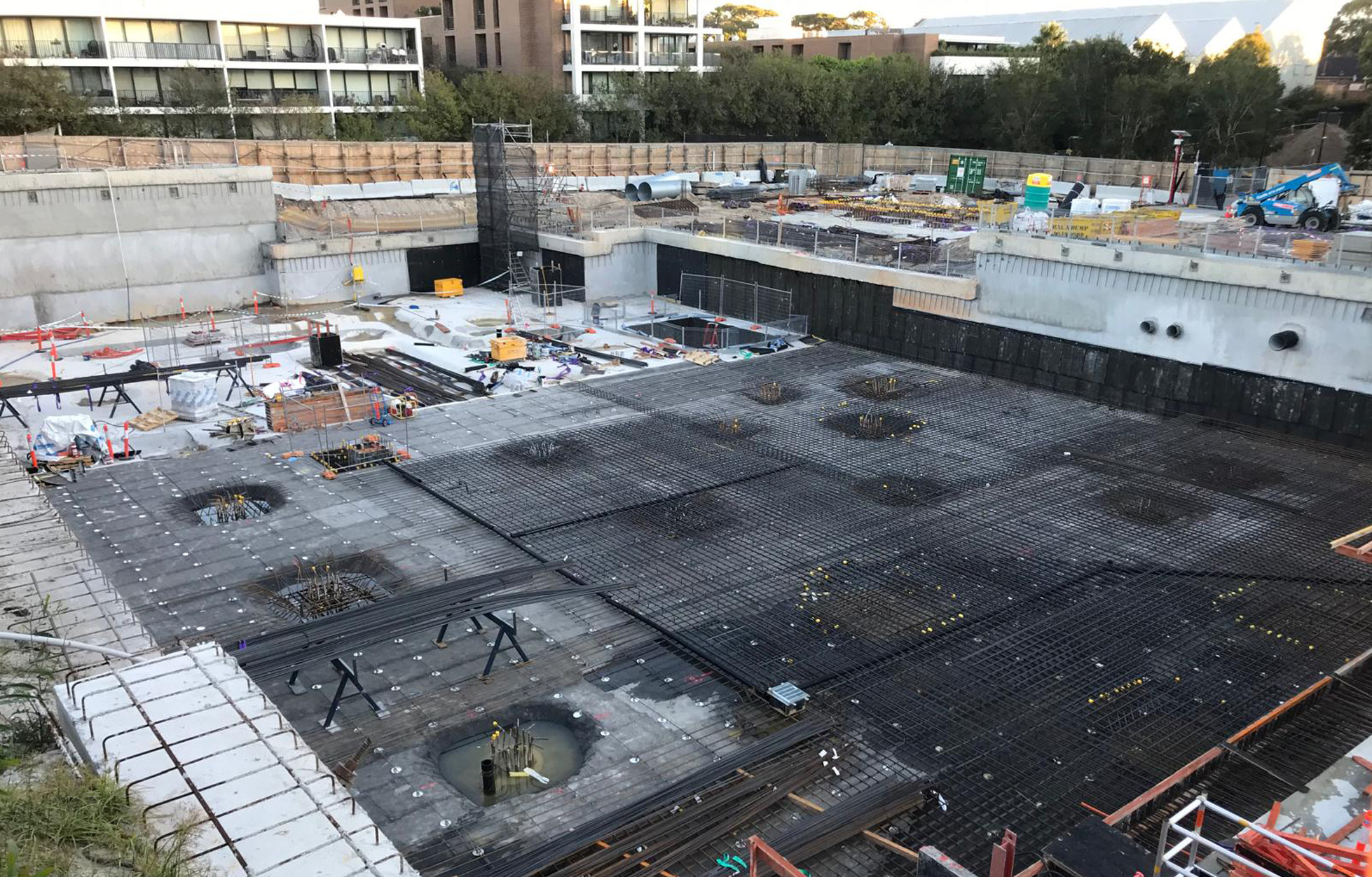
Basements, retaining walls, lift pits, service pits and other below-ground structures face conditions that are fundamentally different from exposed above-ground areas.
They may need to manage groundwater, perched water tables, hydrostatic pressure, surface water migrating through soil, rising damp and changing groundwater conditions over the life of the building.
NCC 2025 brings these risks more clearly within the water-management framework through F1P1 and the expanded definition of water.
This means below-ground waterproofing should not be treated simply as a membrane-selection exercise.
It needs to be considered as part of the broader building design.
ground conditions → water source → structure → waterproofing strategy → drainage → detailing → installation → inspection → testing → verification.
A weakness at any point in that chain can compromise the final outcome.
The critical issue: there is no Deemed-to-Satisfy pathway for below-ground waterproofing
This is one of the most important implications for industry.
The Deemed-to-Satisfy provisions within Part F1 address areas including stormwater drainage, external falls and drainage, substrates, above-ground external waterproofing membranes, damp-proofing, roofs and wall cladding.
However, they do not provide a Deemed-to-Satisfy pathway specifically addressing waterproofing of below-ground walls, slabs and substructures exposed to sub-surface water.
AS 4654.2, for example, relates to waterproofing membranes for external above-ground use.
There is currently no equivalent Australian Standard providing a complete Deemed-to-Satisfy pathway for below-ground waterproofing.
For projects where below-ground waterproofing must demonstrate compliance with NCC 2025, this means the design needs to be addressed through a Performance Solution.
And that changes what project teams need to consider.
A Performance Solution is not simply a waterproofing specification with a different title. It needs to demonstrate how the proposed design satisfies the applicable Performance Requirements and be supported by an appropriate assessment method.
This puts greater importance on design rationale, evidence, documentation and verification.
What does a Performance Solution need to consider?
There is no universal below-ground waterproofing solution that can simply be applied to every basement.
The appropriate strategy depends on the building and the conditions surrounding it.
A robust approach may need to consider:
• expected groundwater conditions
• hydrostatic pressure
• site drainage
• surface water and seepage
• intended internal environment
• structural design and movement
• construction joints and penetrations
• waterproofing system selection
• substrate condition and preparation
• drainage and protection systems
• construction sequencing
• accessibility for future maintenance
• inspection and testing requirements
• evidence of suitability for the proposed materials and systems
The objective is not simply to nominate a product.
It is to demonstrate how the complete system will manage the identified water risks and satisfy the relevant Performance Requirements.
The removal of the Class 7 and 8 limitation matters
NCC 2025 also removes previous limitations associated with certain water-related Performance Requirements for Class 7 and Class 8 buildings.
This has important implications for areas such as:
• basement car parks
• below-ground storage areas
• plant rooms
• mixed-use developments with Class 7a basements beneath Class 2 residential buildings
These areas should not be treated as secondary simply because they are not occupied in the same way as apartments, offices or retail spaces.
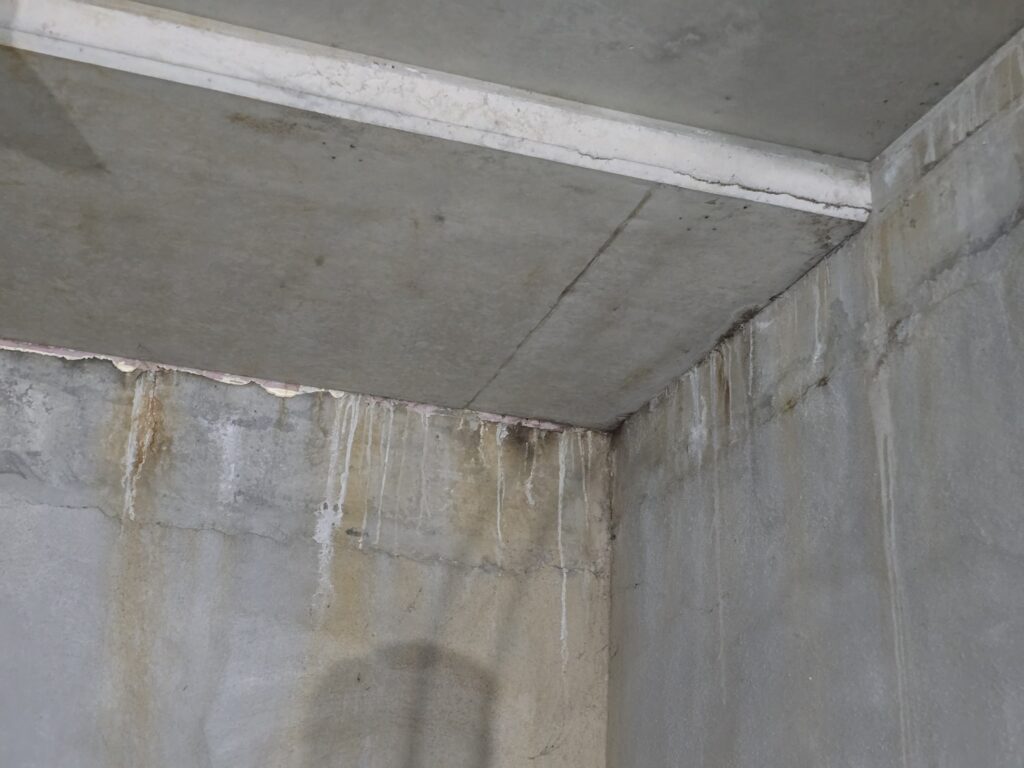
Water ingress into a basement can affect far more than the visible finish.
It can affect structural durability, services, indoor environmental conditions, adjoining spaces and the long-term operation of the asset.
Under the NCC 2025 framework, project teams need to demonstrate how these below-ground areas satisfy the relevant water-management Performance Requirements.
Why independent waterproofing advice matters more under NCC 2025
As waterproofing moves further into a performance-based compliance environment, the quality and independence of technical advice become increasingly important.
The question is no longer simply:
“Which waterproofing product should we use?”
It is:
“What does this building need to achieve, what are the actual risks, and what evidence demonstrates that the proposed solution is appropriate?”
Those are different questions.
They require advice that begins with the building and the risk: not with a particular membrane, manufacturer or installation system.
This is where an independent waterproofing advisor can play an important role.
Waterproofing Integrity is independent of waterproofing manufacturers, suppliers, installers and applicators.
We do not install membranes.
We do not sell waterproofing products.
Our role is to independently assess the waterproofing risk, advise on the appropriate design and compliance strategy, inspect construction and verify performance through testing.
That independence allows the advice to focus on one outcome:
“What is appropriate for the building?“
Design. Inspect. Test. Remediate.
At Waterproofing Integrity, we approach waterproofing as a building-performance issue rather than an isolated trade package.
Our advisory process extends across the waterproofing lifecycle:
Design: identify water risks early and develop appropriate waterproofing strategies, details and Performance Solutions.
Inspect: independently inspect substrates, interfaces, installation and critical construction stages before they become concealed.
Test: use appropriate testing and inspection methodologies to verify conditions and waterproofing performance.
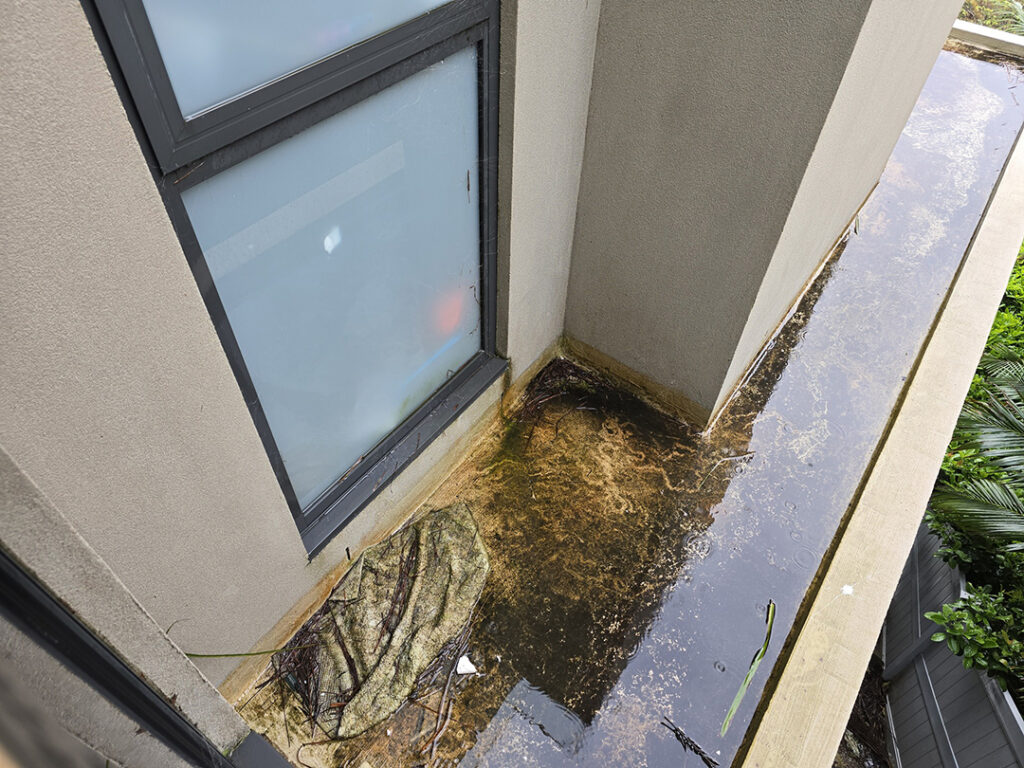
Remediate: investigate existing water ingress, establish likely pathways and causes, and provide evidence-based recommendations for remediation.
The objective is not simply to respond when waterproofing fails.It is to create greater certainty from design through construction and throughout the life of the building.
Victoria is first: but this is a national conversation
Victoria adopted NCC 2025 from 1 May 2026.
Nationally, however, the NCC does not automatically take effect everywhere on the same date. Each state and territory determines how and when an edition of the NCC is given legal effect within its jurisdiction.
That distinction matters.
Project teams outside Victoria should confirm the applicable NCC edition and transitional arrangements for the jurisdiction in which they are working.
But the direction of the national framework is clear.
The ABCB has identified improved water management as one of the significant changes within NCC 2025, including amendments intended to address water ingress in commercial and apartment buildings.
For practitioners around Australia, the lesson from Victoria is therefore not to wait until the applicable adoption date to start understanding the changes.
Now is the time to consider what the new framework means for design responsibility, Performance Solutions, waterproofing documentation, evidence of suitability, inspection, testing and verification.
Waterproofing needs to be considered earlier
Perhaps the most important outcome from NCC 2025 is not a particular clause.
It is a change in mindset.
Waterproofing problems are expensive to investigate after construction and can be extraordinarily difficult to remediate once membranes, joints, drainage systems and interfaces have been permanently concealed.
The earlier water-management risks are identified, the greater the opportunity to resolve them through coordinated design rather than reactive remediation.
For below-ground construction in particular, the waterproofing strategy should be developed alongside the structure, drainage, geotechnical conditions and intended use of the space.
Not after those decisions have already been made.
From compliance to confidence
NCC 2025 raises important questions for the construction industry.
But better waterproofing outcomes will not come from compliance documentation alone.
They will come from understanding the building, identifying water risks early, developing appropriate solutions and independently verifying that what was designed is what was constructed.
That is the role Waterproofing Integrity is built to provide.
As Australia’s leading independent waterproofing advisors, Waterproofing Integrity provides independent, evidence-based advice across Design, Inspect, Test and Remediate.
Our independence means our recommendations are driven by the requirements of the building: not by the commercial interests of a product manufacturer, supplier or installer.
For project teams navigating NCC 2025, that independence provides something increasingly important:
Confidence that waterproofing decisions are based on evidence, risk and building performance.
Want to understand the NCC 2025 changes in more detail?
For advice on NCC 2025, below-ground waterproofing, Performance Solutions or independent waterproofing design and verification, speak with Waterproofing Integrity.
✉️ advice@waterproofingintegrity.com.au
🌐 waterproofingintegrity.com.au
📍 Our offices across Australia: Sydney | Newcastle | Melbourne | Brisbane
How We’re Different From a Waterproofing Contractor
| Waterproofing Integrity | Waterproofing Contractor | |
|---|---|---|
| Diagnoses the cause | Independent testing before any recommendation | Often assumes, based on the job being priced |
| Recommends the fix | Specifies what’s correct, regardless of who installs it | Recommends what they install |
| Financial interest in the outcome | Advisory fee only | Paid to perform the work |
| Verifies the finished work | Independently tests and reports on the completed work | Self-verifies their own work |
Comments (0)