
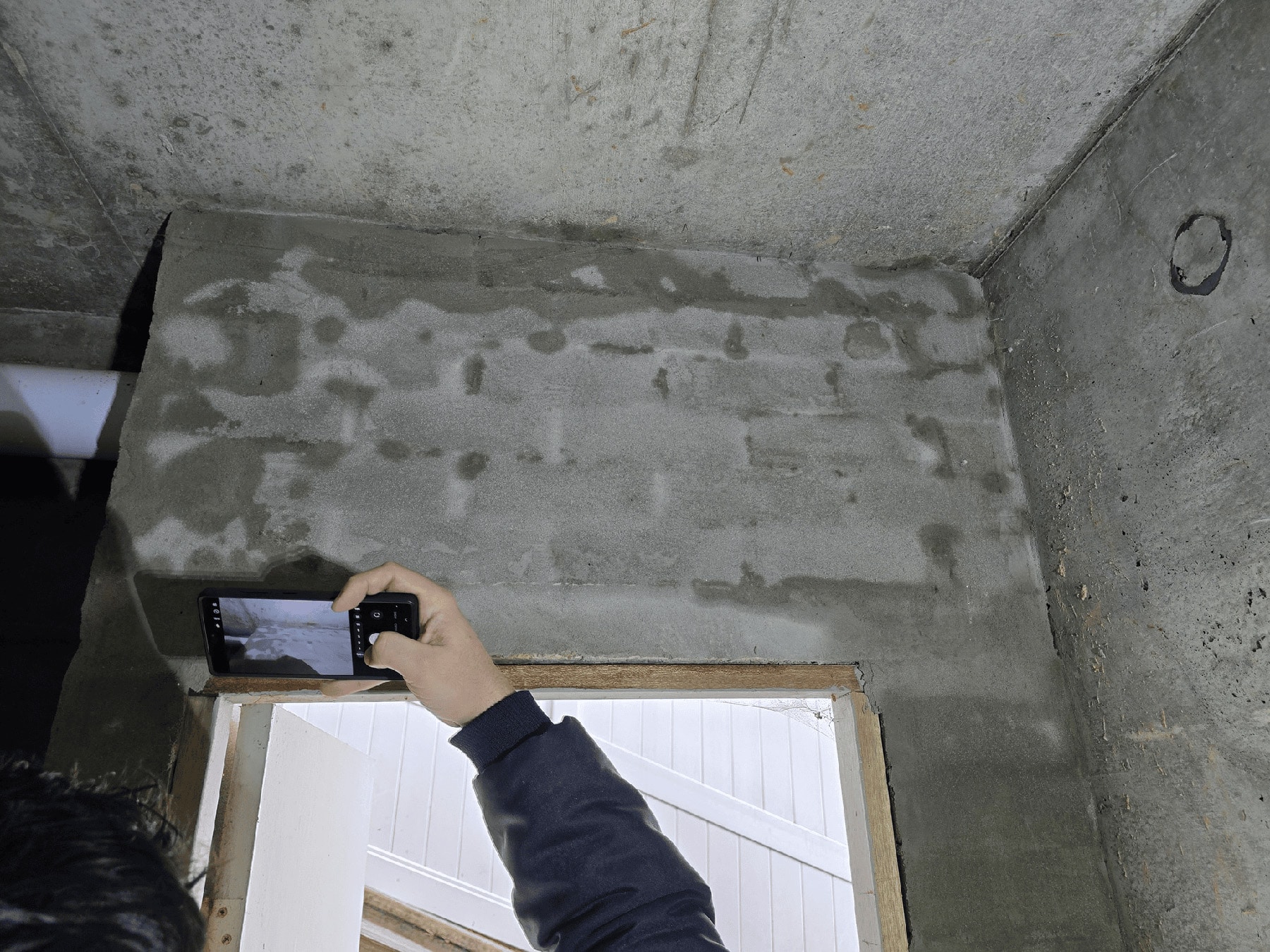
What should a strata manager do when a waterproofing defect is reported?
A waterproofing complaint can quickly become complicated.
There may be residents reporting leaks, contractors suggesting repairs, owners asking about costs and insurers requesting information.
The first step should be to establish the facts.
1. Record the complaint
Document:
• location
• date
• photographs
• weather conditions
• affected areas
• frequency
• previous occurrences
• previous repairs
This creates an initial record.
2. Determine the extent of the problem
One visible leak does not necessarily represent one isolated defect.
Investigate the surrounding area and consider whether similar symptoms have occurred elsewhere.
3. Review existing records
Where available, collect:
• building plans
• waterproofing specifications
• previous reports
• maintenance records
• defect notices
• repair records
• warranties
• photographs
Historical information can be critical when investigating recurring defects.
4. Arrange appropriate investigation
An independent waterproofing assessment can help determine:
• what has failed
• where the problem originates
• whether testing is required
• what evidence supports the diagnosis
• what remediation may be required
5. Obtain the right testing
Not every waterproofing problem requires the same test.
The appropriate testing method depends on the suspected failure mechanism and the building conditions.
6. Develop the remedial scope
The scope should be based on the findings rather than simply describing the visible damage.
It should clearly identify the work required and the conditions that need to be addressed.
7. Obtain remedial quotations
Once the technical scope is established, builders can price against a defined requirement rather than making assumptions about the problem.
8. Verify the remediation
After works are completed, appropriate inspection or testing can help confirm whether the required work has been undertaken.
A practical strata waterproofing workflow
Report → Document → Investigate → Test → Diagnose → Scope → Remediate → Verify
This process provides a clearer technical record for the owners corporation and other stakeholders.
What should a waterproofing defect report contain?
Depending on the project, a useful report may include:
• site observations
• photographs
• defect locations
• testing methodology
• test results
• relevant building information
• diagnosis
• limitations
• recommendations
• remedial considerations
Final Takeaway
For strata managers, the objective is not simply to get a waterproofing defect repaired.
It is to establish a clear and defensible understanding of the problem and the appropriate next steps.
Investigate first. Repair with evidence. Verify the outcome.
✉️ advice@waterproofingintegrity.com.au
🌐 waterproofingintegrity.com.au
📍 Our offices across Australia: Sydney | Newcastle | Melbourne | Brisbane
How We’re Different From a Waterproofing Contractor
| Waterproofing Integrity | Waterproofing Contractor | |
|---|---|---|
| Diagnoses the cause | Independent testing before any recommendation | Often assumes, based on the job being priced |
| Recommends the fix | Specifies what’s correct, regardless of who installs it | Recommends what they install |
| Financial interest in the outcome | Advisory fee only | Paid to perform the work |
| Verifies the finished work | Independently tests and reports on the completed work | Self-verifies their own work |
Comments (0)